Debatte über den Krieg in der Ukraine mit preisgekrönten Journalisten
In dieser Folge von The Source debattieren wir mit dem preisgekrönten Dokumentarfilmer, Journalisten und Chefredakteur von theAnalysis.news Paul Jay über den Krieg in der Ukraine.
In this episode of The Source, we debate the war in Ukraine with award-winning documentary filmmaker, journalist, and editor-in-chief of theAnalysis.news Paul Jay. The interview was conducted by Zain Raza for acTVism Munich.
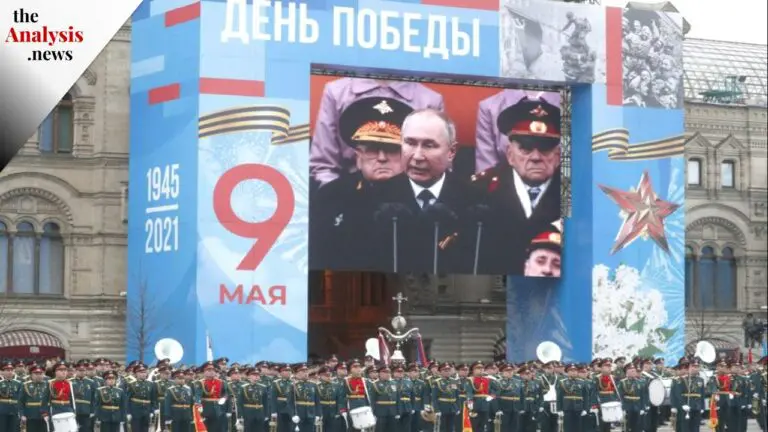
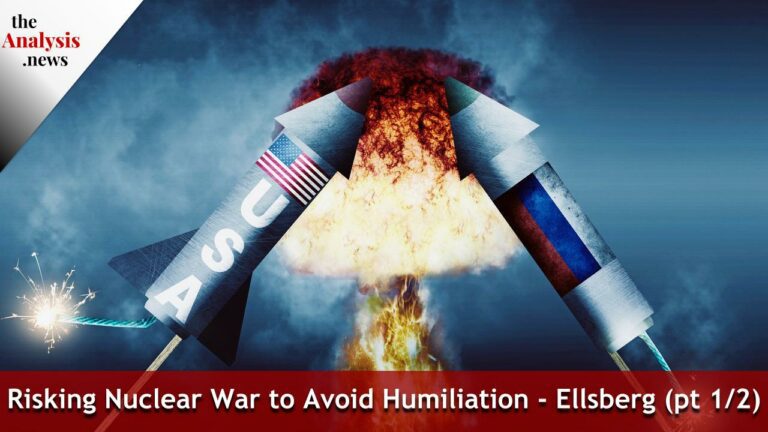
The Ukrainian missile that hit Poland and was first attributed to Russia was one of the most dangerous moments since the Russian invasion. Daniel Ellsberg says as it was for Kennedy in 1962 in Cuba, so it is now for Putin in Ukraine. There is no actual national security threat, only a threat to the leader’s domestic political survival. That does not mean the danger isn’t real.
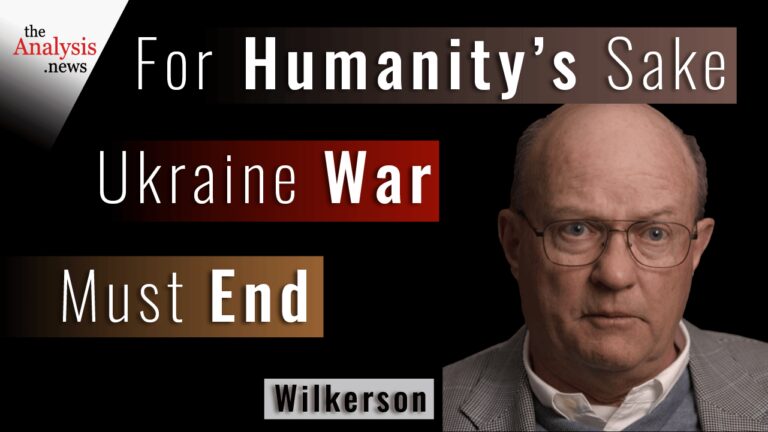
An important Chinese commentator warns that a cornered Russia may lead to “unimaginable consequences”. Larry Wilkerson says there must be immediate negotiations to end the war to avoid the danger of nuclear conflict and to refocus the world on the climate crisis. Wilkerson and Jay also discuss rising fascism in the U.S.
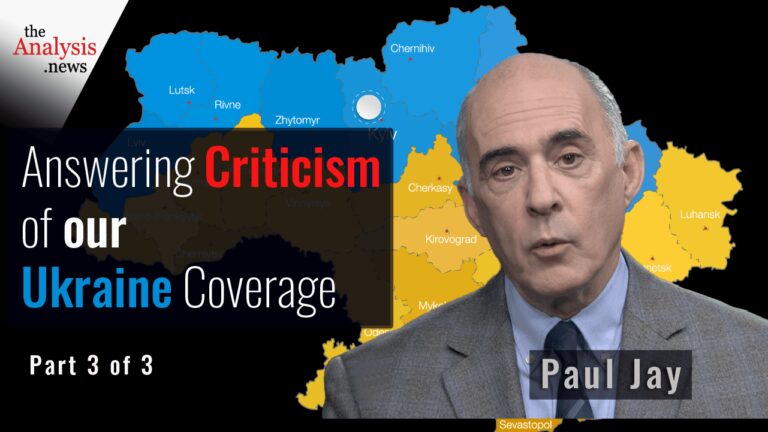
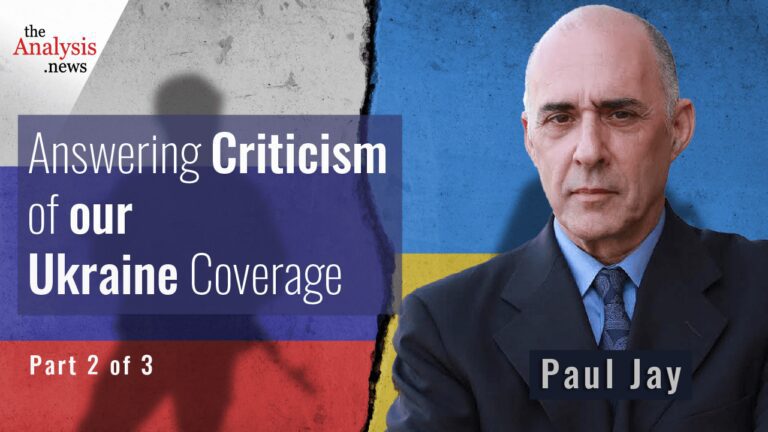
Some viewers have written we are too critical of Russia and don’t focus enough on NATO expansion. Paul responds in an interview hosted by Colin Bruce Anthes.
Paul is asked if a strong Russia is a positive counterbalance to U.S. global hegemony. Paul is interviewed by Colin Bruce Anthes on theAnalysis.news.
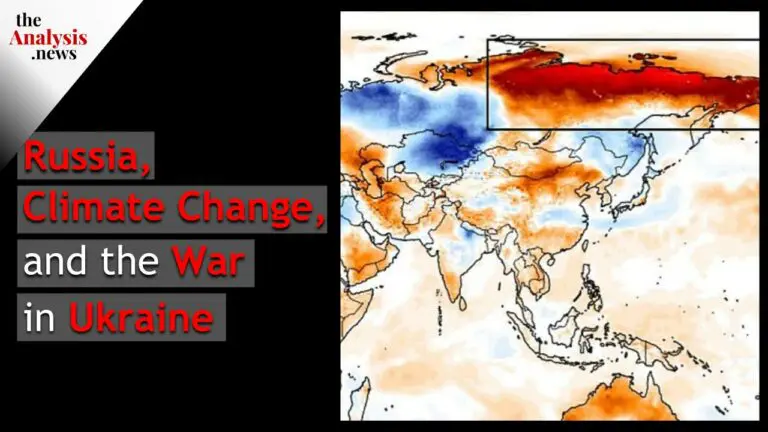
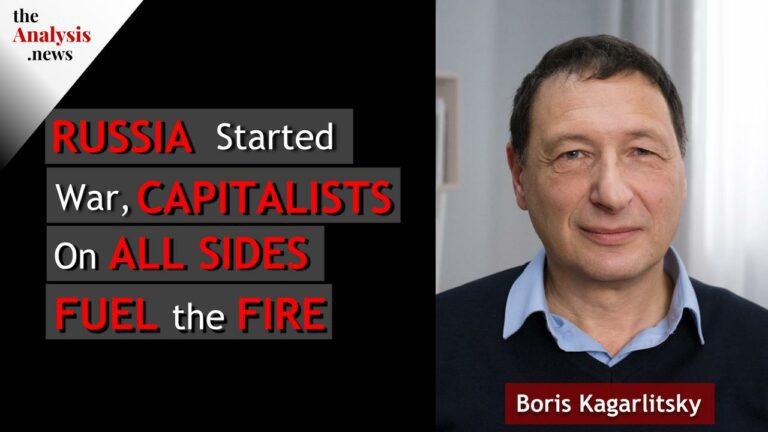
Russia faces the catastrophic consequences of climate change and an economy dependent on fossil fuel exports. Boris Kagarlitsky joins Paul Jay on theAnalysis.news.
Paul comments on the events of 2014, the role of Zelenskyy, the deception of humanitarian intervention, and dying and killing for a nationalism that serves the oligarchs. Paul Jay is interviewed by Colin Bruce Anthes on theAnalysis.news.
Kagarlitsky responds to criticism he underestimates NATO provocations. He also analyzes the changing politics of Ukraine and growing anti-war feelings in Russia.
NATO expansion and the defense of Donbas are not the primary motivations for Russia’s invasion of Ukraine, says Kagarlitsky. Stoking nationalism to shore up support for Putin’s government is. Two corrupt oligarchies fight a war that only fossil fuel firms and Western arms manufacturers can win.
End of content
End of content